Health trends continue to evolve as people search for better ways to improve their physical fitness, emotional resilience, mental clarity, and overall quality of life. In recent years, many new concepts and wellness approaches have emerged to address the increasing pressure of modern lifestyles. One term that has started attracting curiosity in health discussions is MMSBRE.
Although MMSBRE may appear unfamiliar at first, it represents a broader philosophy connected to mindful living, balanced wellness, stress reduction, body recovery, emotional health, and sustainable routines. In a world where people often struggle with fatigue, anxiety, poor sleep, unhealthy eating habits, and sedentary lifestyles, concepts like MMSBRE provide a framework for creating healthier daily habits.
The importance of health has become more obvious than ever. Long working hours, excessive screen time, poor nutrition, and chronic stress are affecting millions of people across the globe. As a result, individuals are increasingly searching for wellness strategies that are practical, adaptable, and holistic rather than temporary fixes.
MMSBRE can be understood as a lifestyle-oriented wellness model that focuses on maintaining harmony between the mind and body. Instead of concentrating on a single aspect of health, it encourages a combination of mental wellness, movement, sleep quality, balanced nutrition, recovery practices, and emotional awareness.
This article explores the concept of MMSBRE in detail, including its possible meanings, health benefits, lifestyle applications, wellness principles, nutritional guidance, mental health connections, fitness implications, and future role in preventive healthcare. Whether you are a student, office worker, athlete, parent, or someone simply looking to improve your health, understanding MMSBRE can help you develop healthier habits that support long-term wellbeing.
What Is MMSBRE?
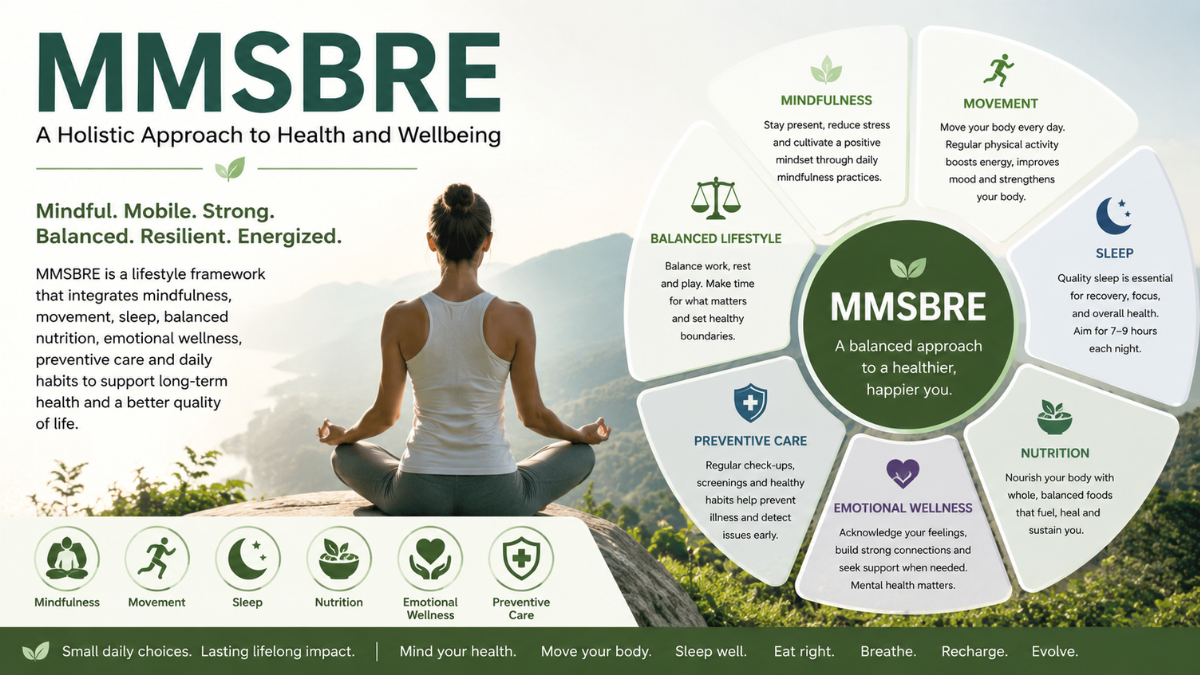
MMSBRE is often interpreted as a comprehensive wellness philosophy centered around six major pillars of health:
- Mindfulness
- Movement
- Sleep
- Balance
- Recovery
- Emotional wellness
Each of these pillars plays a vital role in maintaining a healthy body and mind. Instead of treating health as only physical fitness or dieting, MMSBRE promotes a complete wellness approach where different aspects of life work together.
Modern health experts increasingly recognize that wellbeing cannot be separated into isolated categories. For example, poor sleep affects mental clarity, stress influences digestion, emotional health impacts physical energy, and lack of movement contributes to chronic disease risk.
MMSBRE encourages people to create routines that support overall wellness rather than focusing solely on appearance or short-term goals.
The Core Philosophy Behind MMSBRE
The core philosophy of MMSBRE is balance. Many people today experience imbalance in one or more areas of life:
- Excessive work with little recovery
- Overeating but poor nutrition
- Constant stimulation but little rest
- Social connection online but emotional isolation in reality
- High productivity expectations with low mental recovery
MMSBRE attempts to address these imbalances through sustainable lifestyle adjustments.
Unlike extreme fitness plans or restrictive diets, MMSBRE focuses on gradual improvements. It supports consistency instead of perfection. This makes it easier for individuals to adopt healthier habits without feeling overwhelmed.
The concept also aligns closely with preventive healthcare. Preventive health strategies aim to reduce disease risk before serious conditions develop. By encouraging healthy routines, stress management, quality sleep, physical activity, and emotional awareness, MMSBRE contributes to long-term wellness.
The Importance of Holistic Health
One of the most important ideas connected to MMSBRE is holistic health. Holistic health means caring for the whole person rather than focusing on only one symptom or body part.
Traditional healthcare systems often focus on treating illnesses after they occur. Holistic wellness approaches, however, emphasize prevention, lifestyle improvement, emotional balance, and healthy habits.
Physical Health and Mental Health Are Connected
Research consistently shows that physical and mental health are deeply connected.
For example:
- Chronic stress may increase blood pressure.
- Poor sleep can weaken immune function.
- Anxiety may affect digestion.
- Sedentary lifestyles increase depression risk.
- Regular exercise improves mood and cognitive performance.
MMSBRE recognizes these relationships and encourages individuals to care for multiple dimensions of health simultaneously.
Why Modern Lifestyles Need Balanced Wellness
Modern lifestyles are fast-paced and highly demanding. Many people spend hours sitting at desks, using smartphones, or dealing with constant digital stimulation.
Common modern health challenges include:
- Obesity
- Sleep disorders
- Anxiety
- Burnout
- Poor posture
- Digital fatigue
- Chronic inflammation
- Reduced physical activity
- Emotional exhaustion
MMSBRE aims to counter these problems through structured wellness habits and self-awareness.
The Six Main Components of MMSBRE
1. Mindfulness
Mindfulness refers to being fully aware of the present moment without excessive distraction or judgment.
Many people live under continuous mental pressure. Their minds constantly move between past regrets, future worries, deadlines, and social pressures. This mental overload can increase stress and reduce emotional wellbeing.
Mindfulness practices help individuals calm the mind and improve focus.
Benefits of Mindfulness
Mindfulness has been associated with:
- Lower stress levels
- Better concentration
- Reduced anxiety
- Improved emotional control
- Better sleep quality
- Increased self-awareness
- Enhanced resilience
Common Mindfulness Techniques
People practicing MMSBRE often incorporate mindfulness through:
- Meditation
- Deep breathing exercises
- Gratitude journaling
- Nature walks
- Yoga
- Guided relaxation
- Digital detox periods
Mindfulness does not require long sessions. Even 10 minutes daily can support emotional stability and mental clarity.
2. Movement
Movement is another central pillar of MMSBRE.
Human bodies are designed for activity, yet many people spend most of their day sitting. Lack of movement contributes to obesity, cardiovascular disease, muscle weakness, joint stiffness, and metabolic problems.
MMSBRE encourages consistent movement rather than extreme exercise.
Why Movement Matters
Regular physical activity supports:
- Heart health
- Muscle strength
- Flexibility
- Bone density
- Blood circulation
- Hormonal balance
- Mental health
- Weight management
Exercise also stimulates endorphins, often called “feel-good hormones,” which improve mood and reduce stress.
Types of Recommended Movement
MMSBRE does not promote a one-size-fits-all approach. Different forms of movement may include:
- Walking
- Cycling
- Swimming
- Strength training
- Stretching
- Dance
- Hiking
- Pilates
- Yoga
- Sports activities
The goal is sustainability and enjoyment.
Sedentary Lifestyle Risks
Long periods of sitting may increase the risk of:
- Diabetes
- Heart disease
- Back pain
- Poor posture
- Reduced circulation
- Obesity
MMSBRE encourages frequent movement breaks throughout the day.
3. Sleep
Sleep is one of the most overlooked aspects of health.
Many individuals sacrifice sleep for work, entertainment, or social media use. However, inadequate sleep affects nearly every system in the body.
The Importance of Sleep
Quality sleep helps:
- Restore energy
- Support memory formation
- Regulate hormones
- Strengthen immunity
- Improve mood
- Repair tissues
- Enhance cognitive performance
Consequences of Poor Sleep
Sleep deprivation can contribute to:
- Irritability
- Anxiety
- Fatigue
- Poor concentration
- Weight gain
- Weakened immunity
- Increased accident risk
Healthy Sleep Habits
MMSBRE encourages better sleep hygiene through:
- Consistent sleep schedules
- Reduced screen exposure before bed
- Comfortable sleep environments
- Limiting caffeine late in the day
- Relaxation routines
- Evening mindfulness practices
Adults generally require 7 to 9 hours of quality sleep each night.
4. Balance
Balance in MMSBRE refers to maintaining stability across different areas of life.
Modern society often rewards overworking and constant productivity. However, imbalance can eventually lead to burnout.
Areas of Life Balance
Healthy balance may include:
- Work-life balance
- Social balance
- Nutritional balance
- Emotional balance
- Physical balance
- Digital balance
Signs of Imbalance
Some common signs include:
- Chronic exhaustion
- Irritability
- Reduced motivation
- Sleep difficulties
- Emotional instability
- Lack of personal time
Creating Better Balance
MMSBRE encourages individuals to:
- Set boundaries
- Prioritize self-care
- Schedule recovery time
- Reduce unnecessary stressors
- Practice time management
- Engage in hobbies and relationships
Balance supports long-term sustainability and prevents mental exhaustion.
5. Recovery
Recovery is essential for both physical and mental health.
Many people focus heavily on productivity or exercise but neglect recovery. Without recovery, the body and mind become overwhelmed.
Types of Recovery
Recovery may include:
- Physical recovery
- Mental recovery
- Emotional recovery
- Social recovery
- Sleep recovery
Physical Recovery
Physical recovery supports muscle repair and nervous system restoration.
Helpful practices include:
- Stretching
- Hydration
- Massage
- Rest days
- Proper nutrition
- Mobility exercises
Mental Recovery
Mental recovery is equally important.
Strategies may involve:
- Quiet time
- Meditation
- Reading
- Creative hobbies
- Time in nature
- Reduced digital stimulation
MMSBRE recognizes recovery as productive rather than lazy.
6. Emotional Wellness
Emotional wellness refers to the ability to understand, express, and manage emotions effectively.
Mental and emotional health challenges are becoming increasingly common worldwide.
Emotional Wellness Benefits
Strong emotional wellness contributes to:
- Better relationships
- Reduced stress
- Improved communication
- Increased resilience
- Higher self-confidence
- Better decision-making